Skip to main content


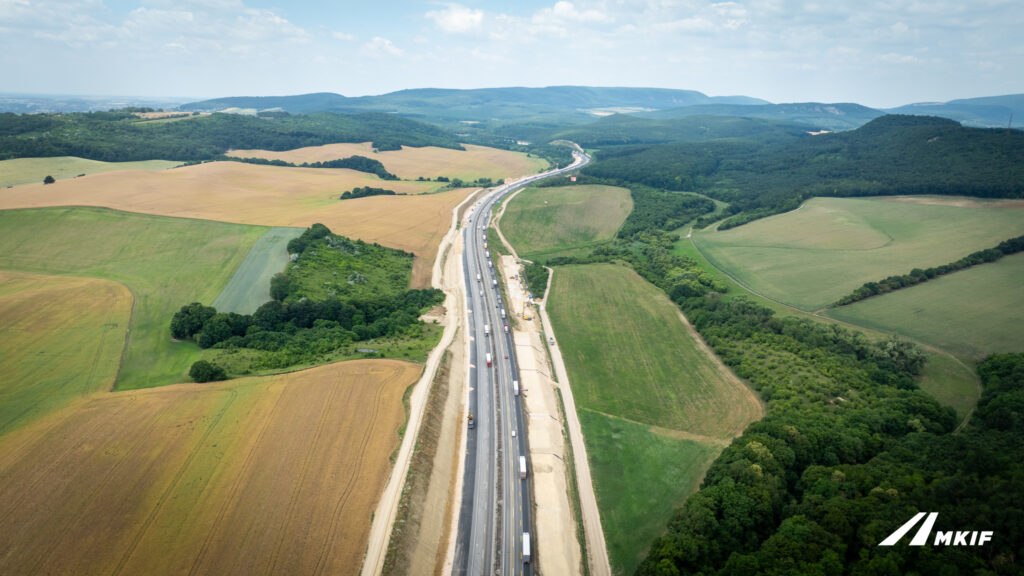
One of the stages of work prior to embankment construction – where required on the basis of measurements – is the reinforcement of the subsoil.
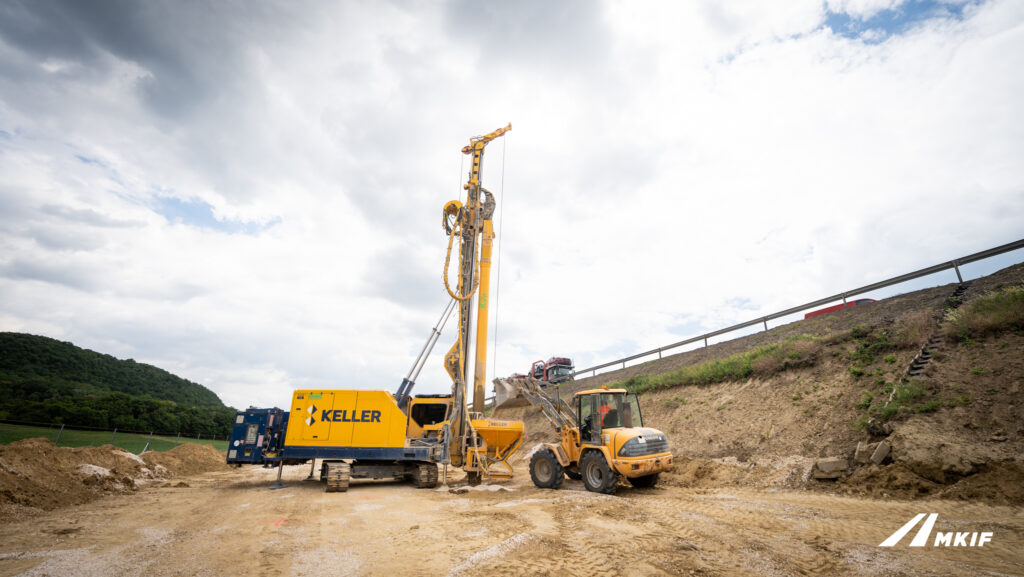
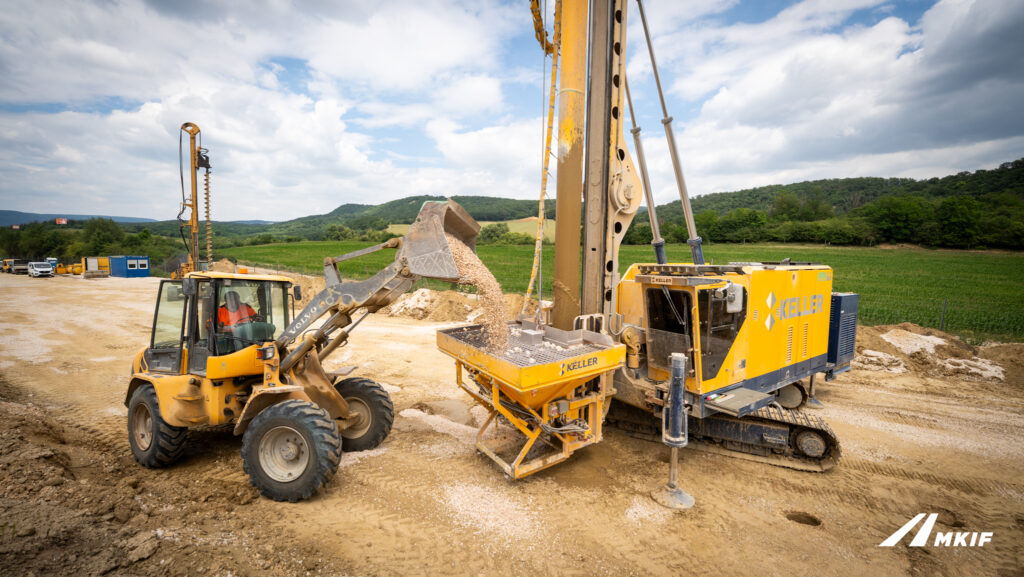
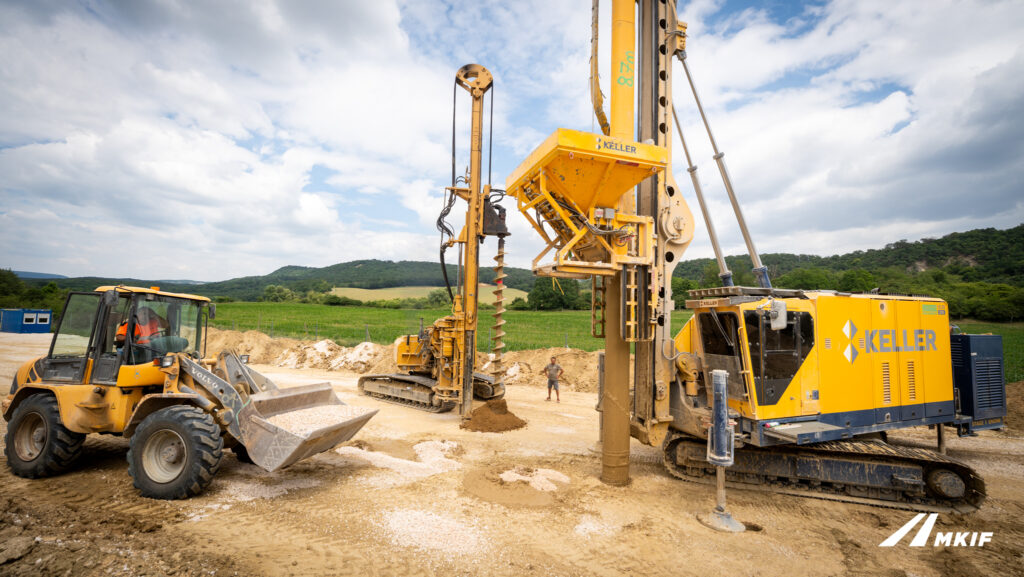
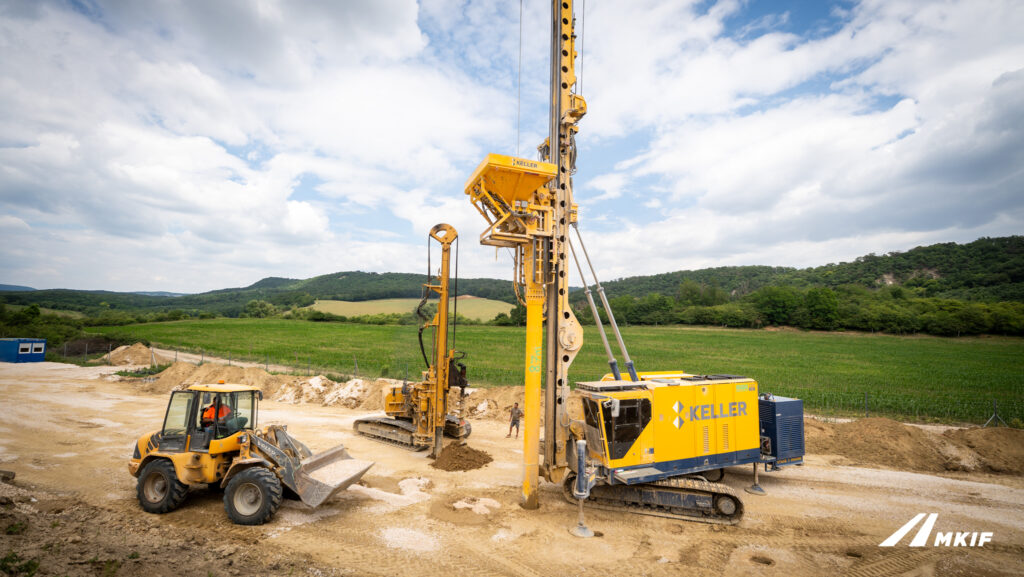
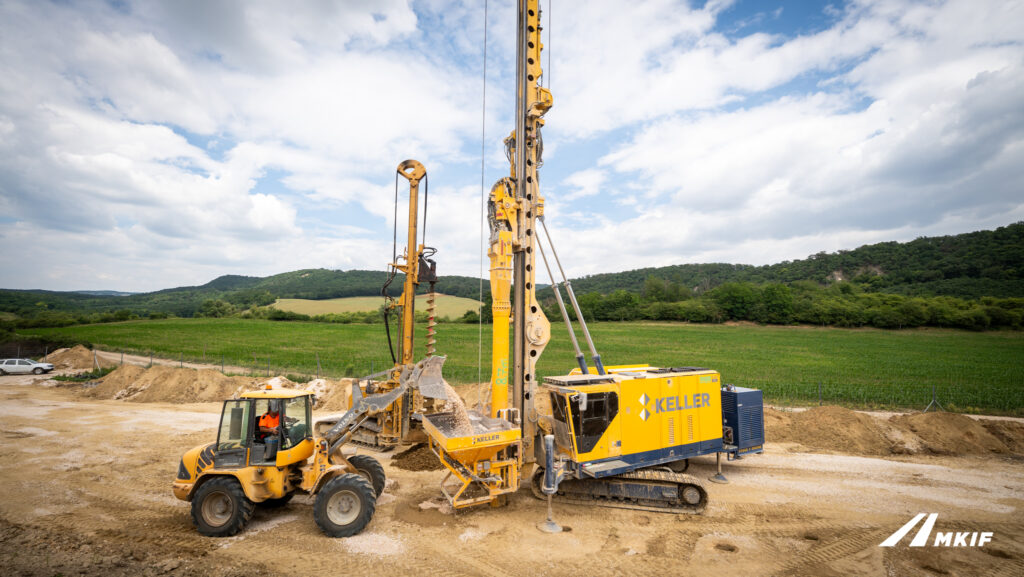
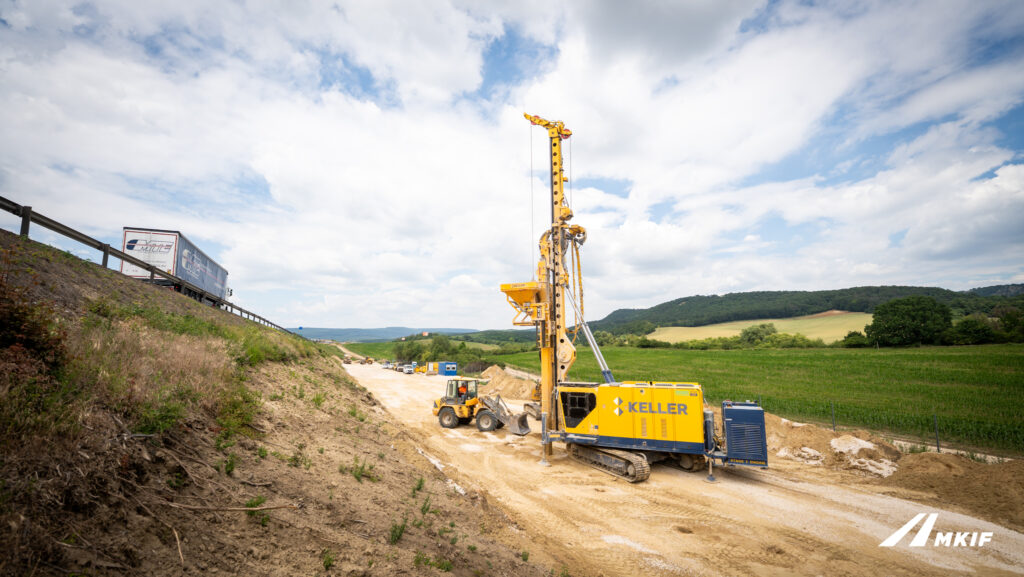
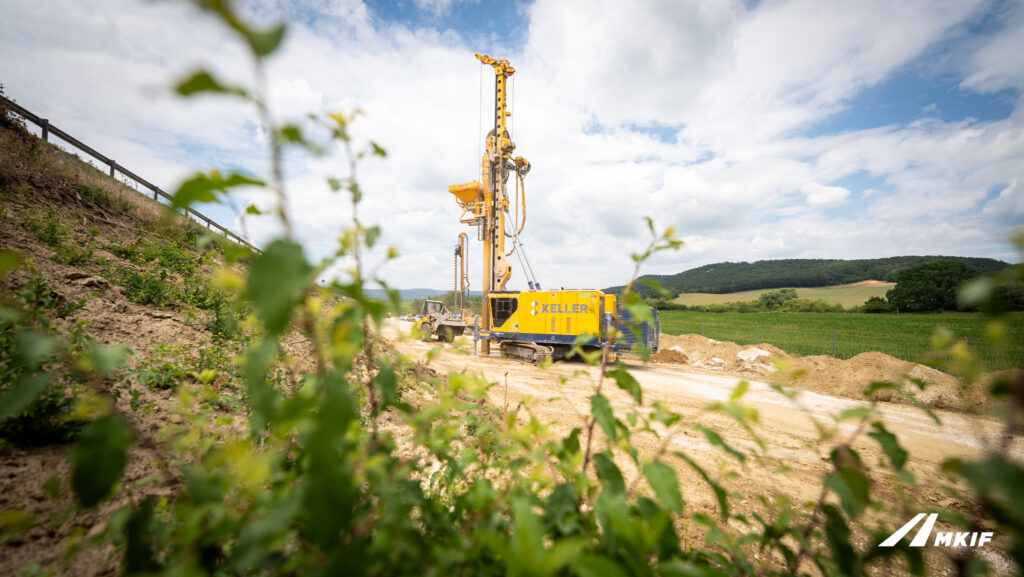
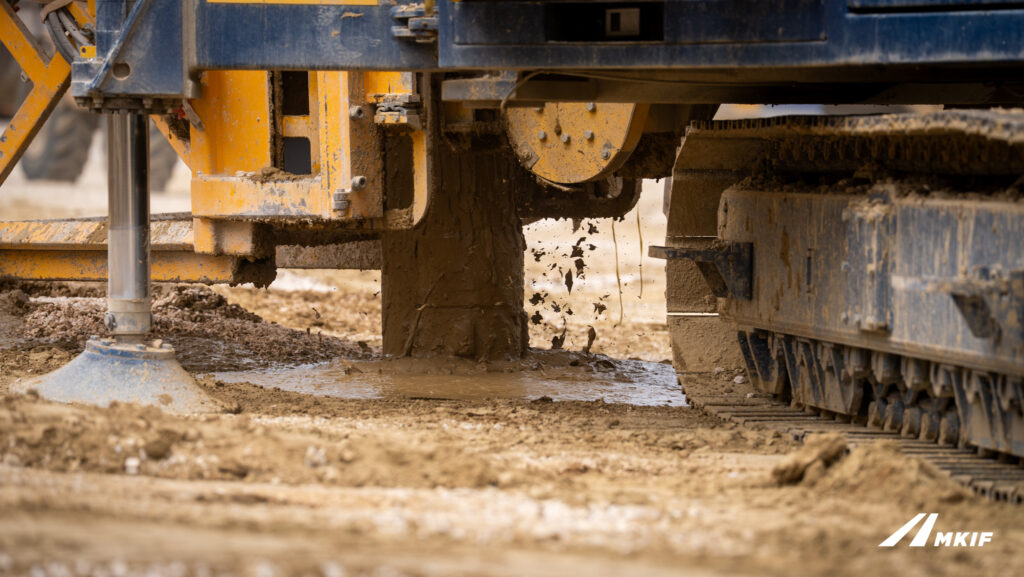
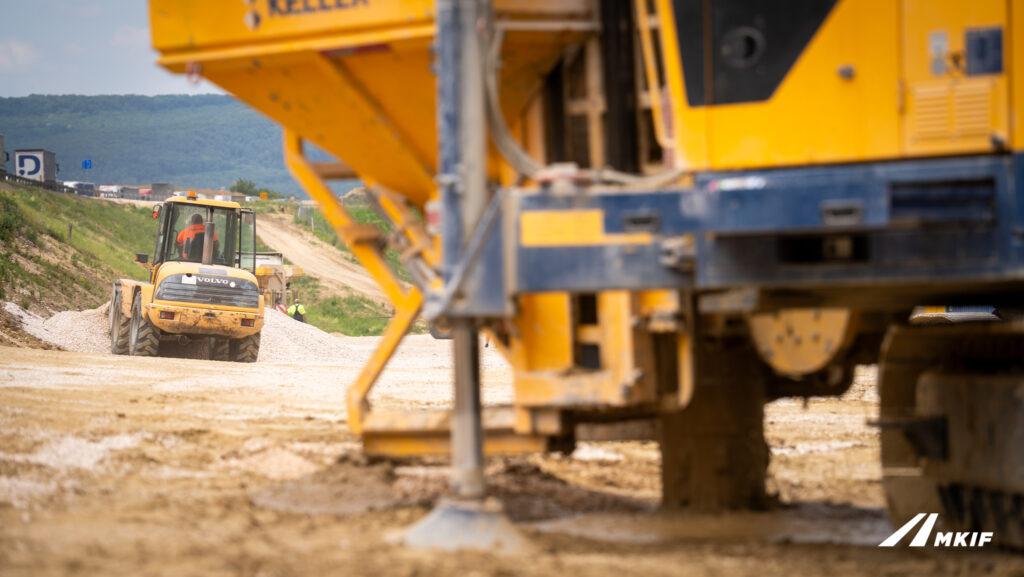
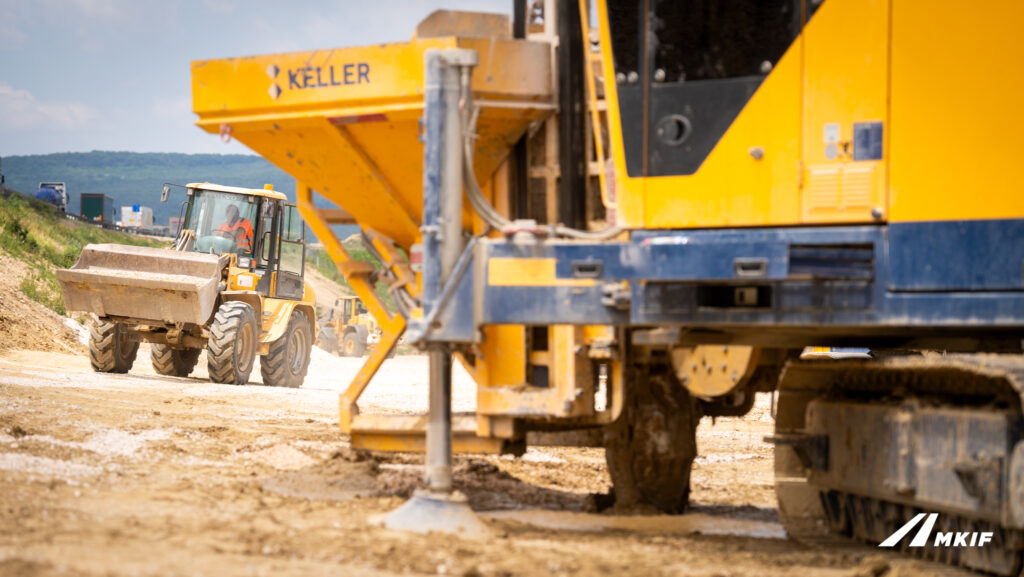
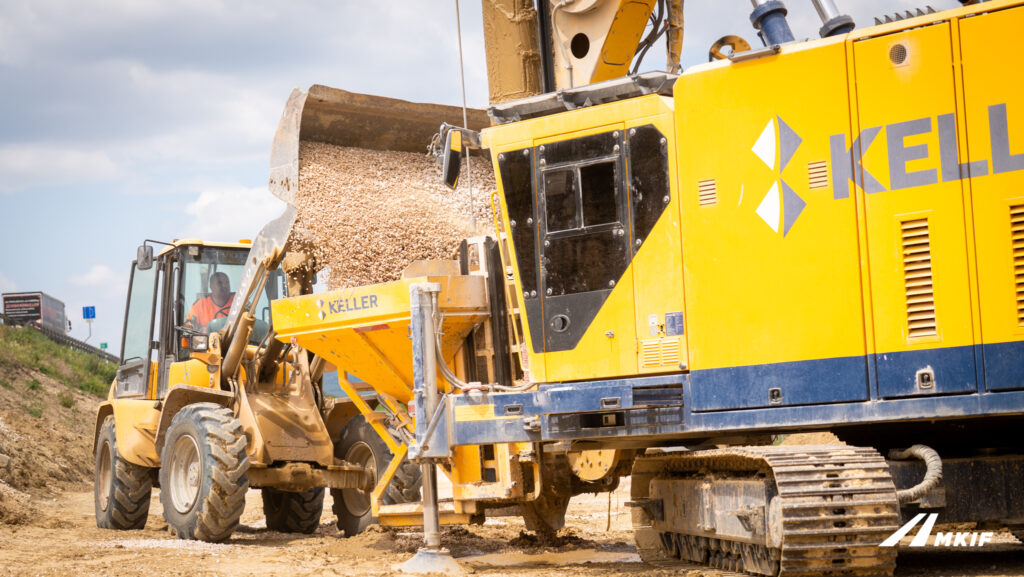
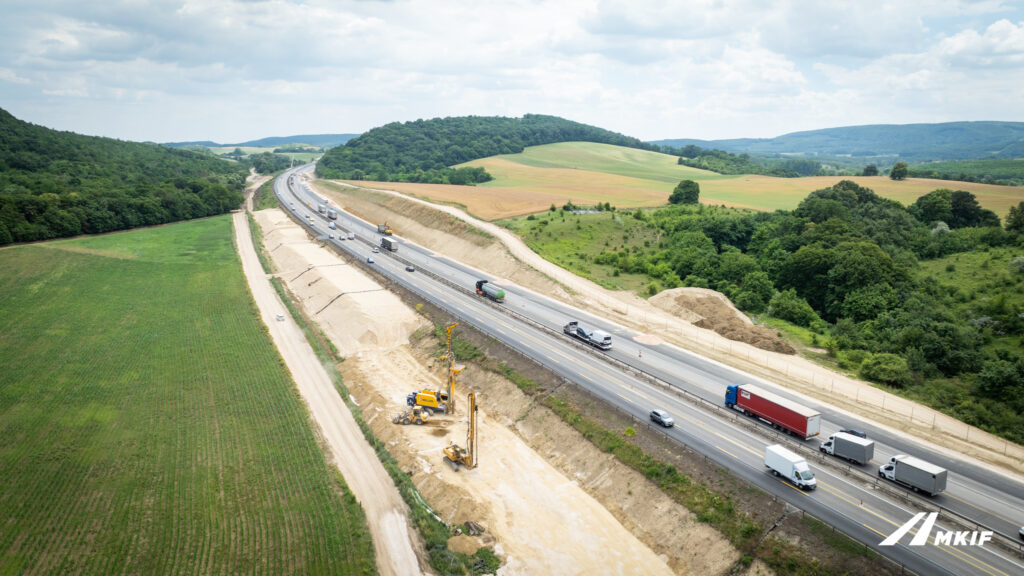
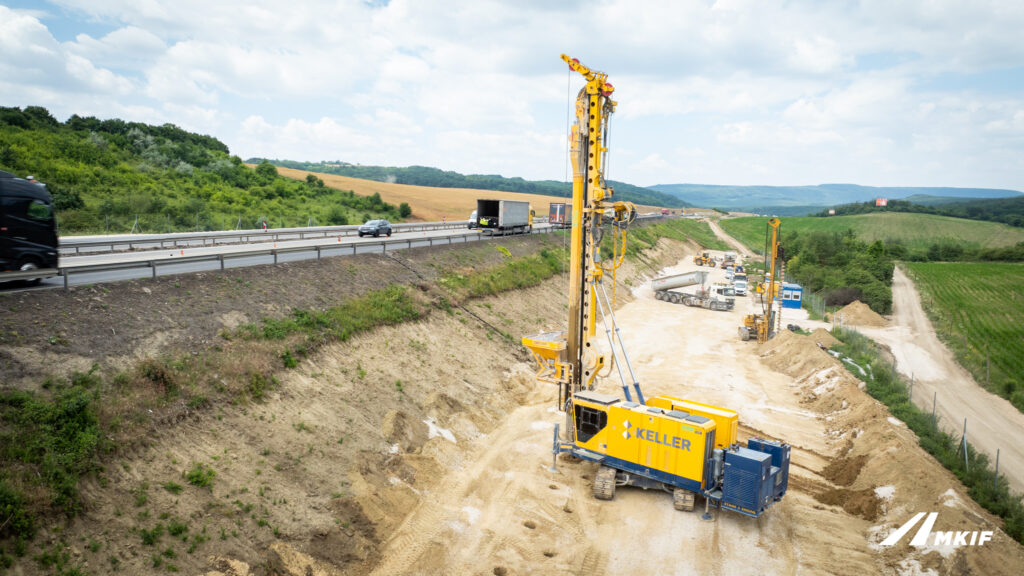
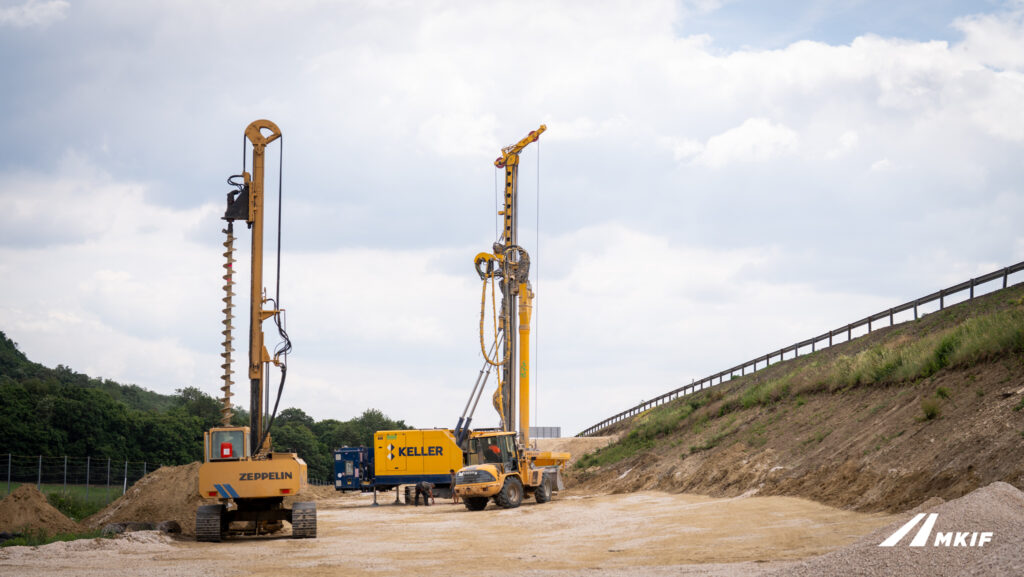
Our latest photos were taken at the 57 km mark, where work is ongoing to reinforce the subgrade using the Keller gravel piling method.
The aim of this technology, officially known as ‘deep compaction with gravel addition’, is to improve the parameters of the existing, non-load-bearing subsoil to the required extent during soil improvement: we compact granular, loose soils, and by pressing gravel into water-saturated cohesive soils, we accelerate their dewatering and consolidation.
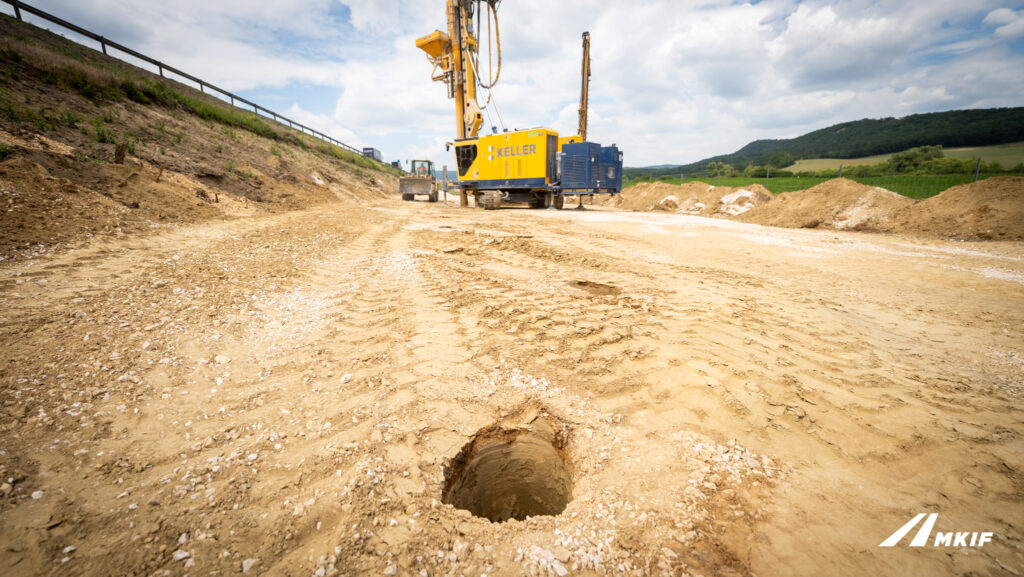
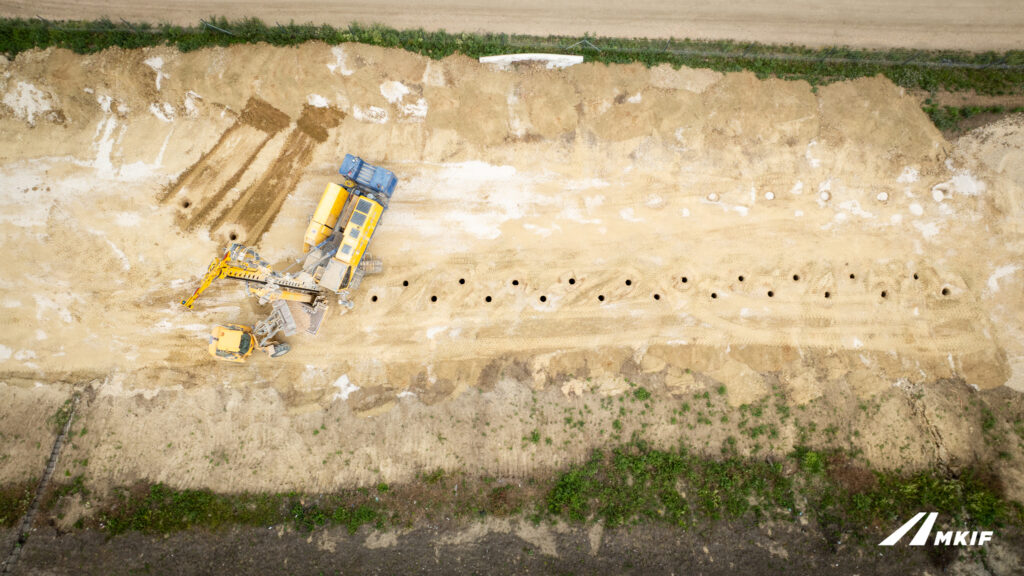
The average diameter of the gravel piles is 50–60 cm and their depth is 5–8 metres, but these figures are not fixed and may vary depending on the soil conditions.
Due to the nature of the technology, the horizontal ‘vibration force’ compacts varying amounts of stone into the ground depending on the density of each soil layer; consequently, the pile diameters vary from one soil layer to the next. Fewer stones are pressed into denser soil, and more into looser or softer soil, which is how we achieve a homogeneous load-bearing capacity in the improved subsoil.
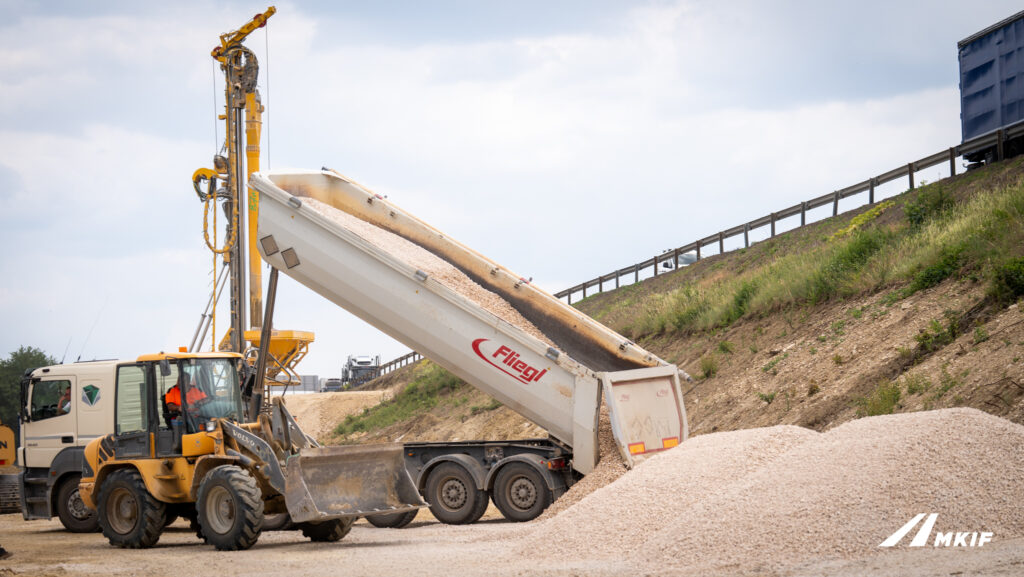
We lower the so-called vibrator into the pre-drilled holes, then pull it up a few decimetres whilst feeding the additive through the chute into the ground, towards the tip of the vibrator. When the vibrator is lowered again, it presses the additive sideways into the soil and compacts it.
To achieve the correct compaction, the vibrator’s current consumption must be within the range of 80–100 amperes.
Keller’s gravel piling method has no harmful environmental impact whatsoever. We introduce naturally occurring gravel into the ground, which, when compacted, makes the substructure load-bearing without causing any damage to the original environmental conditions.